Can These Handy Android Apps Help You Save Time at the Doctor’s Office? Health Informatician Dr. Joel Arun Sursas Answers

Originally published on educationviews.org

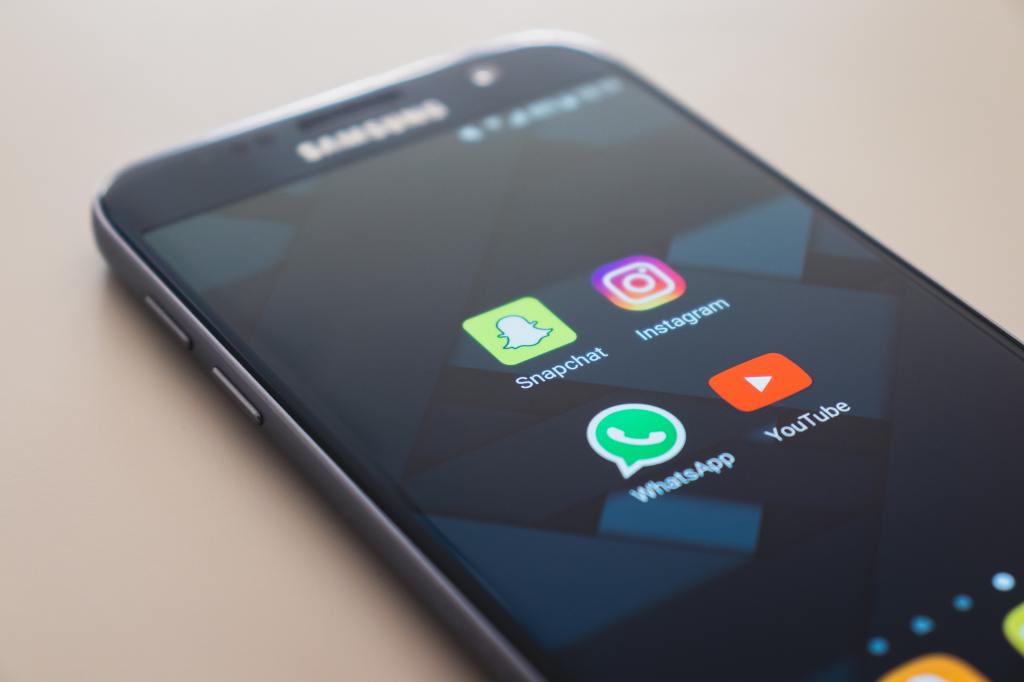
Today, there are many apps available that help individuals save time when visiting their physician or pharmacist. Some apps let a patient use their smartphone to transmit and manage prescription histories, make pharmaceutical requests, text questions to physicians, schedule telemedicine consultations, and maintain their entire medical history via their mobile device. The speed and connectivity of mobile technology are transforming a wide variety of professions; here, health informatician Dr. Joel Arun Sursas highlights handy Android apps that can assist in that mobilization.

My Medical

Anytime you are at your doctor’s office, pharmacy, or need to access any part of your medical history anywhere, this app will manage your entire medical record. My Medical acts as a single storage point on your phone or tablet for your medical records and other personal medical information. A single download allows you to keep multiple family members’ medical information on your device.

The app also stores your health insurance information, contact information for all of your doctors and treatment facilities, and your emergency contact information. It saves images of x-rays, lab reports, photos, and any additional files in a single location. The data is not maintained in the cloud or an external server; instead, it is contained on your Android device and password-protected. The app can receive records by email that should be added to your record in real-time [1]. My Medical costs $4.99 and is regularly updated and maintained by the designer.

GoodRx

Often the first task after leaving a doctor’s office is to get a prescription filled. Medicine costs comprise a very complex pricing system, and the difference in prices at the pharmacy can be substantial. Many pharmacies and drug companies offer store and manufacturer discounts, but these can be difficult to locate. Before you leave the doctor’s office, this app can help you find the best price and discounts in your area, and you can proceed directly to the dispensary with the best options. The app searches for the best price and coupons and saves searches for prescriptions you routinely purchase. To use this app, show your display to your pharmacist with your prescription, and the available discounts will automatically be applied. [2] GoodRx is free to download at the Google Play Store.

LiveHealth Online

This app is a telemedicine service that schedules a video call consultation with a doctor for medical treatment and prescriptions where allowed. Telemedicine is an excellent option for someone in need of a fast consultation for a matter that may not require an office visit. Doctors are generally available around the clock, so if time is of the essence, telemedicine can help you get quick answers. The service accepts many forms of health insurance, and you will only have a copayment for a regular consultation if your plan is accepted. If your insurance is not accepted, there is a flat $49 fee for a regular consultation. In any event, you will be notified of the full price for the services you choose before any charges are made. [3] The app is free to download at the Google Play Store.

About Dr. Joel Arun Sursas

Dr. Joel Arun Sursas is a Medical Doctor and Health Informatician who designs and implements the latest technological developments to solve administrative problems in healthcare. His primary focus is on developing technological advances between doctors and engineers to improve patient outcomes through improved monitoring while protecting patient privacy. Dr. Sursas’s interest in the field of Medical Informatics emerged when he began working as a Project Officer for PACES — the Patient Care Enhancement System for Singapore Armed Forces (SAF). At the SAF, he worked with multiple doctors and engineers on the largest Electronic Medical Record (EMR) system in Singapore and also developed a data analytics platform to assess epidemiological data throughout the system. Dr. Sursas is currently serving as Head of Clinical Affairs for Biorithm, a medical device start-up company working to move fetal surveillance from hospitals into home settings, revolutionizing the obstetric practice globally.

References

  1. appPicker, My Medical app review: a comprehensive record-keeping tool for your personal medical information, April 28, 2014, Retrieved from https://www.apppicker.com/reviews/14716/my-medical-app-review-a-comprehensive-record-keeping-tool-for-your-personal-medical-information
  2. Clark, 10 Things to Know Before You Use GoodRx, March 13, 2020, Retrieved from https://clark.com/health-health-care/good-rx/
  3. eCounseling, Livehealth Online Review, May 12, 2020, Retrieved from https://www.e-counseling.com/online-therapy/livehealth-online-review/
Joel Arun Sursas Discusses Cybersecurity in Health IT

Originally published on scienceworldreport.com

More than ever, companies throughout the world rely upon digital data storage to efficiently operate and compete in the digital age, making cybersecurity of the utmost importance. In this article, Medical Doctor and Health Informatician Joel Arun Sursas discusses cybersecurity in the healthcare industry.

Cybersecurity involves employing several techniques to protect computers, networks, and data from unauthorized sources that seek to illegally obtain access to the aforementioned items and exploit the information, often for monetary gain.

In the past decade, cyberattacks have dominated global headlines, damaging the reputation of several prominent businesses and putting consumers’ personal information at immense risk. Notably, in 2017 Equifax, one of the largest credit monitoring agencies in the United States, experienced a sizable data breach that exposed personal data for 147.7 million Americans. In 2013, Cyber attackers set their sights on the colossal retail chain Target and accessed 41 million customers’ credit card details.

Let us not forget the infamous cyber incident in 2014 when Sony Pictures Entertainment suffered a devastating hack. The fallout included the exposure of employee social security numbers and the utter shattering of the company’s digital infrastructure, causing employees to revert to fax machines for months.

Those at the top of the corporate structure were not spared as the attack led to the dismissal of the chairman of SPE’s Motion Picture Group, partially due to the questionable nature of the leaked emails.

It cannot be stressed enough; businesses, regardless of reputation or size, remain vulnerable to nefarious intrusions, and the health industry is absolutely no exception. According to the 2019 Annual Breach Barometer Report, over 15 million patient records were exposed as a result of over 500 healthcare breaches.

Additionally, Verizon’s 2018 Data Investigation Report concluded that healthcare is the most vulnerable industry to cyberattacks and accounted for 24% of breaches investigated. Given the sensitive nature of the data playing field and the growing concern among consumers, it’s critical to understand the challenges of protecting medical documents as well as the most effective strategies available to keep the information safe.

Challenges

Depending on the size of the medical firm, the role of Information Technology (IT) may be in-house or outsourced to a third party. The American Medical Association reported that approximately 25% of physicians outsource security management and, therefore, heavily rely upon health IT enterprises to prevent cyberattacks. Either way, the security practices implemented are only as good as the repute, skill, and knowledge of the individual or company. Therefore, health organizations should allocate a significant portion of their annual budget to IT.

Apart from budget constraints and capable cybersecurity professionals, the most common challenge inflicting data protection is “phishing” attacks. This type of strike targets ill-informed individuals by sending sham emails from presumably reputable sources.

Typically, the emails aim to coerce sensitive information or trigger malicious software (aka malware). Therefore, to reduce risk upfront, the IT department should educate employees on how to recognize and report suspicious emails.

If computers linked to the office network become infected with malware, it’s possible the servers and the entire infrastructure could be shut down. In certain scenarios, the state of the network may even be held for ransom by the cybercriminals.

Another common issue of cybersecurity is encryption or lack thereof. Anemic encryption is often untested and out-of-date and therefore provides minimal defense. It’s crucial to keep encryption software and practices current; otherwise, it’s easier for hackers to locate and exploit weaknesses or blind spots.

Strategies

According to Health Informaticians like Joel Arun Sursas, health care organizations should view cybersecurity as an essential aspect of patient care. To reduce the risk of breaches, Dr. Sursas recommends implementing the following practices.

First and foremost, health organizations need to establish a culture that embraces proper cybersecurity techniques. After all, cybercriminals typically target individuals first due to their unsuspecting nature. A work environment resilient to cyber threats is achieved through education, such as annual training courses or quarterly webinars that cover a variety of topics, including passwords, phishing, and ideal computer habits.

It almost goes without saying, but tried-and-true defenses such as firewalls, up-to-date anti-virus software, and encryption are essential to maintaining security protocol. While these techniques may appear obvious, if left unattended, they could result in a devastating attack.

Also, as data sharing amongst clinicians increases in importance, oversight of network access by device and location must be performed with extreme caution. Not only do medical professionals retrieve and add to patients’ medical records over a shared network, but it’s also commonplace for patients to review their health results such as blood tests remotely via a digital profile. While the latter is most likely overseen by third party software, health organizations can limit network access to vetted devices and scrutinize any peer-to-peer applications before they’re installed.

Finally, clinical care providers should consider employing informatics professionals who are highly trained to chaperon data collection, management, and protection.

Conclusion

Protecting patient data is not always clear-cut, especially in an industry that lacks ubiquity and is overwhelmed with antiquated software. Because the truth is: the challenges and strategies described above are only the tips of the iceberg. However, both independent clinics and national health organizations can prevail against cyber threats if they heed the mistakes that have come before and proceed with due diligence and action.

About Joel Arun Sursas

Joel Arun Sursas is a Medical Doctor and Health Informatician motivated to solve administrative problems in healthcare. His determination to work tirelessly to bridge the gap between doctors and engineers is resulting in medical technology solutions that improve patient outcomes, enhance monitoring, and protect patient privacy. Dr. Joel Arun Sursas is an effective communicator who facilitates the achievement of team goals.