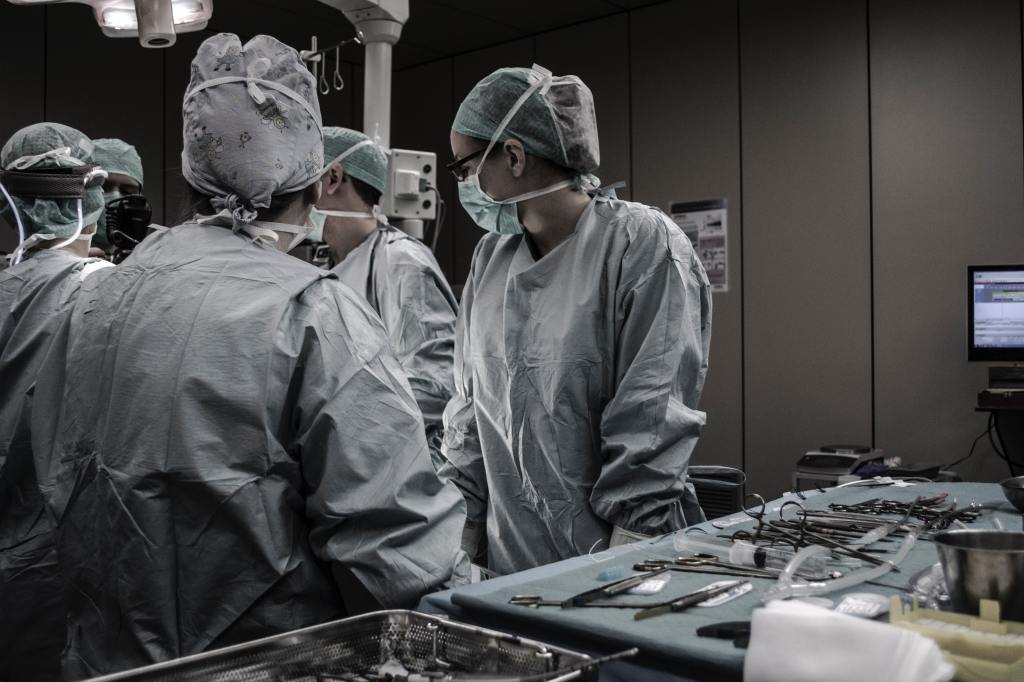
Joel Arun Sursas’s Take on Healthcare Cyber Security: How to Protect Patient’s Privacy

Originally published on compulearntech.com

When working in the medical industry, protecting your patient’s data is not just ethical – it is required by law. With HIPAA in place, medical professionals must be conscientious about keeping close tabs on patient information and only giving health data to those approved to receive it. Here, medical doctor and health informatician Joel Arun Sursas shares tips for protecting patient privacy in the digital age.

Encourage Security Measures with All Employees

While it may be obvious to physicians what falls under HIPAA compliance, it may not be apparent to those who work as office assistants or medical secretaries. This is why it is critical to take a very proactive approach to ensure everyone in the practice is up to date on HIPAA guidelines and regulations.
 

This includes having all employees checking documents multiple times before sending any emails or handing over paperwork to ensure verifications are accurate and that the data is going to the right person. Also, not allowing employees to speak about non-essential healthcare data over the phone or to anyone outside the clinic will ensure nothing slips[1].

Give Patients Access to Their Data

Having an online portal or Robotic Process Automation self-service system can cut down on information being sent around, which, in turn, cuts down on information going to the wrong place. Think about it: when you send multiple emails each day with health information or make numerous calls, it is easy to get a wire crossed and send the wrong data to the wrong person.

Dr. Joel Arun Sursas believes that with Robotic Process Automation, human error can be removed from the equation, allowing the automated or partially automated system to make the data delivery. This reduces the risk of data misdelivery and frees up time for other essential tasks that cannot be automated under current systems.

If patients are placed in a position to access their records through a similarly automated system, there is an even lower risk. If possible, giving direct access[2]through a portal account is one of the best ways to make sensitive information available without placing full responsibility on a staff member who may make a mistake.

Understand HIPAA But Do Not Fear It

Ensuring that staff understand HIPAA and consider it a beneficial tool to a clinic is the first step towards creating an environment without data slippage. HIPAA is not meant to be a thumb on your neck, so to speak, but instead, a measure of accountability to ensure patients are receiving confidential care as needed and are able to access medical care without fear of exposure or shame.

Fearing HIPAA does nothing but make it harder to serve patients. It is not a thing to be afraid of, but a thing to embrace. If you comply with it, HIPAA can be a fantastic tool. It is just a matter of making an effort to ensure your entire staff is educated and prepared to face what being HIPAA compliant requires[3].

There are a lot of things you can do to protect your patient’s privacy. From working on an automated system to make connecting easier than ever before without room for human error or just understanding what being HIPAA compliant actually entails, there is always something to help keep your patient’s critical data private and secure.

About Joel Arun Sursas:

Joel Arun Sursas holds a Bachelor’s Degree in Medicine and Bachelor’s Degree in Surgery from the National University of Singapore and is continuing his education to obtain a Certificate in Safety, Quality, Informatics and Leadership from the Harvard Medical School, and Masters in Applied Health Science Informatics from the Johns Hopkins University (both expected in 2020). His technical skills include SPSS, RevMan, and Python. Dr. Joel Arun Sursas’ most recent engagement is with a medical device start-up company Biorithm where he serves as Head of Clinical Affairs, working to take fetal surveillance out of the hospital and into the home, revolutionizing the obstetric practice globally.

References

1. Lo, Bernard, et al. “HIPAA and Patient Care.” Jama, vol. 293, no. 14, 2005, p. 1766., doi:10.1001/jama.293.14.1766.

2.“HIPAA Turns 10: Analyzing the Past, Present, and Future Impact by Daniel J. Solove :: SSRN.” Search ELibrary :: SSRN, https://papers.ssrn.com/sol3/papers.cfm?abstract_id=2245022. Accessed 23 Sept. 2020.

3.“Psychiatry Online.” Psychiatry Online, https://ps.psychiatryonline.org/doi/full/10.1176/appi.ps.55.5.575. Accessed 23 Sept. 2020.
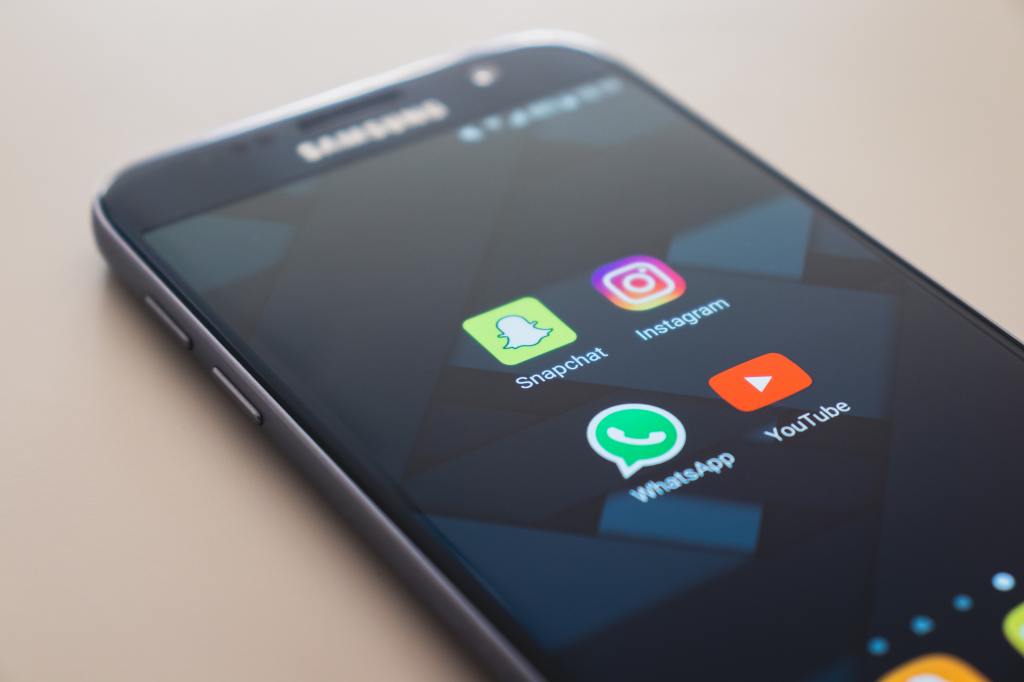
Can These Handy Android Apps Help You Save Time at the Doctor’s Office? Health Informatician Dr. Joel Arun Sursas Answers

Originally published on educationviews.org

Today, there are many apps available that help individuals save time when visiting their physician or pharmacist. Some apps let a patient use their smartphone to transmit and manage prescription histories, make pharmaceutical requests, text questions to physicians, schedule telemedicine consultations, and maintain their entire medical history via their mobile device. The speed and connectivity of mobile technology are transforming a wide variety of professions; here, health informatician Dr. Joel Arun Sursas highlights handy Android apps that can assist in that mobilization.

My Medical

Anytime you are at your doctor’s office, pharmacy, or need to access any part of your medical history anywhere, this app will manage your entire medical record. My Medical acts as a single storage point on your phone or tablet for your medical records and other personal medical information. A single download allows you to keep multiple family members’ medical information on your device.

The app also stores your health insurance information, contact information for all of your doctors and treatment facilities, and your emergency contact information. It saves images of x-rays, lab reports, photos, and any additional files in a single location. The data is not maintained in the cloud or an external server; instead, it is contained on your Android device and password-protected. The app can receive records by email that should be added to your record in real-time [1]. My Medical costs $4.99 and is regularly updated and maintained by the designer.

GoodRx

Often the first task after leaving a doctor’s office is to get a prescription filled. Medicine costs comprise a very complex pricing system, and the difference in prices at the pharmacy can be substantial. Many pharmacies and drug companies offer store and manufacturer discounts, but these can be difficult to locate. Before you leave the doctor’s office, this app can help you find the best price and discounts in your area, and you can proceed directly to the dispensary with the best options. The app searches for the best price and coupons and saves searches for prescriptions you routinely purchase. To use this app, show your display to your pharmacist with your prescription, and the available discounts will automatically be applied. [2] GoodRx is free to download at the Google Play Store.

LiveHealth Online

This app is a telemedicine service that schedules a video call consultation with a doctor for medical treatment and prescriptions where allowed. Telemedicine is an excellent option for someone in need of a fast consultation for a matter that may not require an office visit. Doctors are generally available around the clock, so if time is of the essence, telemedicine can help you get quick answers. The service accepts many forms of health insurance, and you will only have a copayment for a regular consultation if your plan is accepted. If your insurance is not accepted, there is a flat $49 fee for a regular consultation. In any event, you will be notified of the full price for the services you choose before any charges are made. [3] The app is free to download at the Google Play Store.

About Dr. Joel Arun Sursas

Dr. Joel Arun Sursas is a Medical Doctor and Health Informatician who designs and implements the latest technological developments to solve administrative problems in healthcare. His primary focus is on developing technological advances between doctors and engineers to improve patient outcomes through improved monitoring while protecting patient privacy. Dr. Sursas’s interest in the field of Medical Informatics emerged when he began working as a Project Officer for PACES — the Patient Care Enhancement System for Singapore Armed Forces (SAF). At the SAF, he worked with multiple doctors and engineers on the largest Electronic Medical Record (EMR) system in Singapore and also developed a data analytics platform to assess epidemiological data throughout the system. Dr. Sursas is currently serving as Head of Clinical Affairs for Biorithm, a medical device start-up company working to move fetal surveillance from hospitals into home settings, revolutionizing the obstetric practice globally.

References

  1. appPicker, My Medical app review: a comprehensive record-keeping tool for your personal medical information, April 28, 2014, Retrieved from https://www.apppicker.com/reviews/14716/my-medical-app-review-a-comprehensive-record-keeping-tool-for-your-personal-medical-information
  2. Clark, 10 Things to Know Before You Use GoodRx, March 13, 2020, Retrieved from https://clark.com/health-health-care/good-rx/
  3. eCounseling, Livehealth Online Review, May 12, 2020, Retrieved from https://www.e-counseling.com/online-therapy/livehealth-online-review/

Health Informatician, Joel Arun Sursas, on the Implementation of Technological Support Important for Optimizing Clinical Management of the COVID-19 Pandemic

Originally published on amolife.com

Within a few hectic months, healthcare providers around the world have faced unprecedented challenges in infrastructure and patient care due to the COVID-19 outbreak. The novel coronavirus was first identified in December 2019 in Wuhan, China, but has since spread to over 150 countries . Despite initial efforts to contain the spread of infectious illness, the World Health Organization (WHO) declared a pandemic on March 11, 2020 . Soon afterward, the United States proclaimed a national emergency in response to the evolving crisis . As of today, it’s apparent that the pandemic is testing the limits of healthcare infrastructure on a global, national, and local level.

A steady increase in infections and deaths has forced healthcare organizations to adapt and pivot to electronic health records (EHR) and Telehealth (aka Telemedicine) to meet clinical demands. In a technical guidance policy recently released by the WHO to help strengthen health systems, Telemedicine was highlighted as an essential clinical service and clinical decision support . The modifications implemented thus far by healthcare providers such as UC San Diego Health include EHR based rapid screening processes, laboratory testing, clinical decision support, reporting tools, and patient-facing technology .

Ramping up the technological infrastructure to ensure safe and efficient testing measures as well as real-time and reliable communications is a daunting task. Success, in a short amount of time, requires the medical community’s innovative collaboration and perseverance on a scale that has never before been seen. Few understand the scope of this hurdle better than Health Informaticians like Joel ArunSursas. Health informatics utilizes information technology to organize and analyze health records to improve healthcare outcomes .

In this article, Joel ArunSursas reviews how EHR and Telemedicine capabilities optimize the clinical management of the COVID-19 pandemic.

EHR Based Rapid Screening Processes

EHR is a digital version of a patient’s medical chart and works in conjunction with various Telemedicine resources . In principle, EHRs enable doctors and medical support teams to access patients’ medical information wherever and whenever they require care . The tech is capable of real-time transmission tracking, mass information distribution, hosting digital meetings for day-to-day operations as well as Telemedicine platforms .

Shortages in reliable COVID-19 test kits inspired healthcare providers and their IT teams to develop an EHR based accelerated screening process . The system consists of telephone calls, direct email, and EHR messages to reduce in-person communication. Coupled with standardized templates consisting of pre-approved screening questions, physicians can confidently diagnose patients and identify which individuals warrant additional testing.

Due to obvious time constraints, health facilities lacked the luxury of quality control for the new screening process. Still, the end-product is the result of prioritizing the needs of the healthcare workforce who administer patient care. Even in desperate scenarios, it’s possible to define scope, timelines, budgets, and deploy EHR resources and standardize processes rapidly.

Laboratory Testing

As of April 10, the WHO reported approximately 900,000 confirmed cases of the virus . Certain countries, such as Germany and South Korea that adopted mass testing procedures in the early days of the outbreak, have maintained a better grasp on the virus . Whereas in America, testing facilities were limited and struggled to scale.

But as hospitals and third-party laboratories ramp up their testing resources, tech is playing an instrumental role. Pre-registration via telephone or an online portal allows patients to schedule an appointment at a designated testing site, thus reducing in-person interaction and potential exposure. Drive through coronavirus testing, although not available everywhere, has been an effective method to test patients who are suspect of infection while adhering to the social distancing guidelines provided by the WHO and CDC .

Clinical Decision Support

Clinical decision support systems (CDSS) are computer-based programs that analyze data within EHRs to provide prompts and reminders to assist health care providers in implementing evidence-based clinical guidelines at the point of care . Over the last three months, EHR vendors have augmented their existing systems to give users access to relevant data and information to cope with the crisis . Recent amendments and additions to systems include screening criteria, educational resources on test kits, protective equipment protocols, as well as approximate test result turnaround time. There has also been a demand to require and document the testing criteria met by the patient.

Athenahealth, a health IT vendor, is continuously updating software to align with CDC best practice recommendations . Its interactive decision tool within a clinical mobile app is of particular note. In less than 60 seconds, clinicians can access the CDC’s authoritative guidance to help diagnose and treat COVID-19 patients .

Reporting Tools

Custom reporting and analysis tools that are easily accessible by key personnel can help streamline patient care management. Relevant report topics and real-time data include testing capacity, isolation procedures, number of tested patients, test results, ICU vacancy, inventory (e.g., number of ventilator units), as well as the volume of Telehealth services.

The company Epic maintains a clinical records system utilized by a significant portion of American health organizations and encourages providers to share pertinent information via its interoperability network. Clinicians can use Epic’s suite of analytical tools to evaluate and compare data across different communities . The collaborative analysis may provide insight into effective treatment methods and help identify potential virus hotspots.

Patient-facing Technology

The United States government temporarily eased its Telehealth requirements, and medical institutions have seized the opportunity via remote triaging.

Patient portals allow individuals to schedule appointments, send secure messages to the care team, view and download test results, and connect with their primary care physician through video conferencing.

EHR and associated technologies can help mitigate the substantial strain on health systems worldwide . Once integrated, it can maintain the quality of healthcare, even improve it in certain circumstances, reduce the number of in-person visits, and subsequently reduce transmission and infection rates.

About Joel ArunSursas:

Joel ArunSursas is a Medical Doctor and Health Informatician motivated to solve administrative problems in healthcare. His determination to work tirelessly to bridge the gap between doctors and engineers is resulting in medical technology solutions that improve patient outcomes, enhance monitoring, and protect patient privacy. Dr. Joel ArunSursas is an effective communicator who facilitates the achievement of team goals.

Joel Arun Sursas Discusses Telemedicine: Is it as Effective as Usual Care?​

Originally published on social-matic.com

Telemedicine is a set of communication tools used by patients who are isolated from their physicians by distance or time and lack of access to health care services of all types, including for chronic condition management. As telemedicine bypasses the need for providers and patients to meet in person, its main advantage lies in creating opportunities for different types of provider-patient interactions that do not require traditional in-person visits. In this article, Dr. Joel Arun Sursas looks at whether telemedicine is as effective as traditional in-person care.

Practical Conflicts Between Telemedicine and Usual Care

The increasing use of telephone and other communication technology for telemedicine treatment is undergoing continuing scrutiny by insurance managers, Medicare administrators, and other entities responsible for monitoring and controlling medical costs. It is still typically required that services that have normally been handled by in-person contact between physicians and patients continue to be delivered that way in order to be covered. [1]

While some telemedicine applications have been understood to not involve ordinary patient interaction, such as teleradiology and telepathology, technological advances in communications are calling for more study and analysis of the effectiveness of modern telemedicine techniques, both as to patient outcomes and overall cost reductions.

Efficiency Advantages of Telemedicine

Greater Access to Healthcare For Patients

Almost every group of patients can point to a set of limitations on their ability to effectively manage in-person medical treatment. Some patients live in remote areas and have difficulty traveling to and from their doctor’s office regularly. Others are homebound under most circumstances and find the travel to their doctor’s office very difficult or unsafe. Almost all working patients find it difficult to take time away from work to visit their doctor. As technology improves and patients generally find conferencing and online medical management software more accessible, telemedicine will greatly reduce the challenges and stress involved in accessing healthcare. [2]

Cost Savings Through Advanced Communication Technology

Telemedicine availability significantly reduces the huge expense of non-essential ER treatment and ambulance-based transportation for many types of normal and non-emergency treatment. Cloud-based data analysis and monitoring services that can access patients remotely have the potential to greatly reduce ordinary healthcare treatment costs. Providers can also approach telemedical techniques to reduce overhead and can explore the possibility of working from home during set parts of their workweeks. [2]

Stronger Patient Engagement and Better Patient Outcomes

Patients who are given the opportunity to engage in telemedicine treatments are likely to keep more appointments and use the available technology to stay more involved in their day-to-day treatment. Patients are able to use telemedical platforms to ask more questions and provide important diagnostic information to providers faster and more directly. Patients find treatment options are provided more quickly and have been shown to suffer less stress and anxiety about their treatment plans when telemedical treatment is available. [1]

Greater Access To Specialists and Enhanced Referrals

Patients who live in rural and remote areas find traditional care by specialists to be especially difficult. Many patients might enjoy shorter commutes and wait times for certain types of specialist appointments related to specific diseases and chronic condition treatments. Treating physicians are also very likely to enjoy the opportunity to broaden their choices when referring patients to preferred specialists located in other parts of the country. [2]

Efficiency Disadvantages of Telemedicine

Hardware, Software, and Training Requirements

Telemedicine involves the expense of purchasing and implementing hardware and software systems that are not used in typical treatment settings. Staff training and possibly new staff hiring is also part of telemedicine implementation. After the initial startup expenses are absorbed, however, overall staffing requirements are likely to decrease, as individual nurses and doctors will be able to monitor more patients from a single location more effectively. [2]

Reduced Care Continuity Compared to In-Person Treatment

Some larger telemedicine systems will contemplate the assignment of random providers for some highly on-demand services. The difficulty in obtaining records quickly for on-demand services and other continuity issues can negatively affect treatment processes and outcomes. Additionally, the lack of regular in-person consultations can affect the overall experience of patients who prefer face-to-face consultations even when a physical exam is not necessary. [1]

Developmental Delays in Coverage and Reimbursement Rules

It is a virtual certainty that technology will always develop more quickly than administrative and regulatory processes that are expected to adapt accordingly. Healthcare providers will always need to take caution to ensure that they are exercising best practices when working with new telemedical advances and that they are working in ways that their services will be covered and reimbursed by insurance and governmental providers.

As the world of medical treatment continues to battle budgetary constraints and cost containment, the demand by patients and providers alike for telemedical advances will continue to increase. The interaction of developing technologies and systemic changes in healthcare delivery will increase the need for comprehensive studies of the effectiveness of telemedicine and the very likely unanticipated changes in how technology affects patient needs.

Joel Arun Sursas, Addresses Digitization and Miniaturization in the Healthcare Industry

Originally published on droidmen.com

Healthcare is on the cusp of a digital revolution powered by technological developments across several fields as a result of new workflows, data gathering, and hardware innovation. Over the next five to ten years, expect digitization to rapidly transform much of the health industry, from in-person patient care to remote diagnosis Still, medical advancements are part of the game, so why is now different? Frankly, apart from dedicated medical staff, technology is the primary force behind the influential trends and transformative curves of change sweeping the industry. Much of its strength resides in accessibility via digitization and miniaturization. Visual tech, especially, is helping lead the way in virtual medicine. As more providers, medical units, and patients adopt and embrace the new tech, shortcomings of the current system will slowly diminish.

In this article, Joel Arun Sursas, Health Informatician and Medical Doctor reviews the radical transformation within the healthcare industry as well as prospective milestones in medical science as a result of emerging technologies.

Digitization & Mobility 

As external bureaucratic and political pressures threaten to disrupt medical business models, healthcare, though relatively progressive, is yearning for administrative reform and harmony. The opportunity, as well as the challenge, lies within digitization. Not only can digital upgrades improve operational budgets and bottom lines for companies, but it also generates a halo effect that elevates the patient experience, notably in mobility and reach of care.

While healthcare is a dignified industry, it remains a market influenced by consumer demand. And as a result of the internet and smartphones, consumer behavior demands speed, convenience, and accessibility at all times. The culmination of these factors has bolstered the feasibility of Telemedicine as a revenue stream.

Telemedicine allows patients to seek medical care via a digital connection. While a significant number of eligible patients remain wary of this new frontier, the research suggests that Telemedicine, especially utilized in conjunction with a home-based health monitoring device, can improve survival rates and lower hospitalization. This type of healthcare also allows medical professionals to broaden their service of care by nurturing patients in rural areas that might otherwise forego consistent medical attention altogether due to distance and economic restrictions. It also provides a digitized health record synced to a patient’s profile, ideally in a portal, which improves logistical efficiency.

Of course, digitization is quite broad in application, and healthcare is extraordinarily complex, which begs the question: what is driving digital adoption amongst patients? Connecting individuals to medical providers, thanks to global internet infrastructure, is one answer. Technology is another.

Tech Miniaturization 

To truly personalize medical care, doctors require access to patients’ lifestyles and behaviors that affect their health daily. Decades ago, this would not be possible without a clinical setting; however, it is now a reality thanks to the genius of engineers. Technological advancements in smartphone health applications, wireless connectivity, wearables with miniaturized biometric sensors, and handheld-imaging platforms are already helping reduce healthcare costs, increasing patient engagement and improving treatment and outcomes.

Smaller health sensors that capture metrics such as heart rate, blood pressure, and even oxygen levels allow for more refined hardware designs. If the tech is unsightly or uncomfortable to wear, humans subconsciously reject it on some level and are therefore less likely to wear it, thus diminishing the care. However, health wearables like Fitbit and smartwatches have proven that slick product design can act as an incentive to wear health monitoring devices.

Furthermore, the miniaturization of visual sensors and image capture capabilities may soon allow patients to undergo body scans from the convenience of their own home. Some of the more progressive innovation involves live imaging transmitted from an ingestible camera.

Beyond sensor capabilities, another exciting development is microfluidics. In layman’s terms, it’s a medical lab in the form of a microchip. Microfluidics, like labs, can detect infectious diseases, offer point-of-care tests, provide a diagnosis with a smaller sample size at a faster rate, and lower test costs, which is a major concern for patients that have insurance plans with a high deductible.

Next up, nanobots. It may sound like a talking point out of science fiction, yet it’s being heralded as the future of healthcare. Nanobots are microscopic robots with magnetic nanoparticles programmed by medical practitioners to assist in complex tasks — even surgery.

Data 

Patient records contain enormous amounts of information (aka data), and without an adequate digital summary accessible on a computer, extracting meaningful data can be quite archaic.

Digitizing data reduces the demand for physical storage, thus lowering overhead costs, but more importantly, it improves analysis. Wearable devices and digital applications seamlessly record biometric data and can easily be exported to medical offices around the world. Physicians and lab techs can then use computer programs to analyze the data in meaningful ways by simultaneously cross-referencing the patent’s digital summary against decades of medical research. The diagnosis can then be treated with an actionable and more personalized health plan.

The most promising aspect of digitizing a patient’s medical history lies within predictive analytics. This strategic use of data may one day revolutionize preventative healthcare, identifying potential problems and causes for concern weeks or even months before traditional care.

Outlook 

By the end of the decade, it will be more common for a significant portion of patients to receive primary medical care remotely through technology operated by a digital interface rather than at an office. This imminent change is fueled by the digitization of medical science, especially new developments of medical devices that are easy enough to use in a casual home setting and real-time data analytical capabilities. It provides a glimpse of what personalized healthcare can and should be.

Joel Arun Sursas Discusses Cybersecurity in Health IT

Originally published on scienceworldreport.com

More than ever, companies throughout the world rely upon digital data storage to efficiently operate and compete in the digital age, making cybersecurity of the utmost importance. In this article, Medical Doctor and Health Informatician Joel Arun Sursas discusses cybersecurity in the healthcare industry.

Cybersecurity involves employing several techniques to protect computers, networks, and data from unauthorized sources that seek to illegally obtain access to the aforementioned items and exploit the information, often for monetary gain.

In the past decade, cyberattacks have dominated global headlines, damaging the reputation of several prominent businesses and putting consumers’ personal information at immense risk. Notably, in 2017 Equifax, one of the largest credit monitoring agencies in the United States, experienced a sizable data breach that exposed personal data for 147.7 million Americans. In 2013, Cyber attackers set their sights on the colossal retail chain Target and accessed 41 million customers’ credit card details.

Let us not forget the infamous cyber incident in 2014 when Sony Pictures Entertainment suffered a devastating hack. The fallout included the exposure of employee social security numbers and the utter shattering of the company’s digital infrastructure, causing employees to revert to fax machines for months.

Those at the top of the corporate structure were not spared as the attack led to the dismissal of the chairman of SPE’s Motion Picture Group, partially due to the questionable nature of the leaked emails.

It cannot be stressed enough; businesses, regardless of reputation or size, remain vulnerable to nefarious intrusions, and the health industry is absolutely no exception. According to the 2019 Annual Breach Barometer Report, over 15 million patient records were exposed as a result of over 500 healthcare breaches.

Additionally, Verizon’s 2018 Data Investigation Report concluded that healthcare is the most vulnerable industry to cyberattacks and accounted for 24% of breaches investigated. Given the sensitive nature of the data playing field and the growing concern among consumers, it’s critical to understand the challenges of protecting medical documents as well as the most effective strategies available to keep the information safe.

Challenges

Depending on the size of the medical firm, the role of Information Technology (IT) may be in-house or outsourced to a third party. The American Medical Association reported that approximately 25% of physicians outsource security management and, therefore, heavily rely upon health IT enterprises to prevent cyberattacks. Either way, the security practices implemented are only as good as the repute, skill, and knowledge of the individual or company. Therefore, health organizations should allocate a significant portion of their annual budget to IT.

Apart from budget constraints and capable cybersecurity professionals, the most common challenge inflicting data protection is “phishing” attacks. This type of strike targets ill-informed individuals by sending sham emails from presumably reputable sources.

Typically, the emails aim to coerce sensitive information or trigger malicious software (aka malware). Therefore, to reduce risk upfront, the IT department should educate employees on how to recognize and report suspicious emails.

If computers linked to the office network become infected with malware, it’s possible the servers and the entire infrastructure could be shut down. In certain scenarios, the state of the network may even be held for ransom by the cybercriminals.

Another common issue of cybersecurity is encryption or lack thereof. Anemic encryption is often untested and out-of-date and therefore provides minimal defense. It’s crucial to keep encryption software and practices current; otherwise, it’s easier for hackers to locate and exploit weaknesses or blind spots.

Strategies

According to Health Informaticians like Joel Arun Sursas, health care organizations should view cybersecurity as an essential aspect of patient care. To reduce the risk of breaches, Dr. Sursas recommends implementing the following practices.

First and foremost, health organizations need to establish a culture that embraces proper cybersecurity techniques. After all, cybercriminals typically target individuals first due to their unsuspecting nature. A work environment resilient to cyber threats is achieved through education, such as annual training courses or quarterly webinars that cover a variety of topics, including passwords, phishing, and ideal computer habits.

It almost goes without saying, but tried-and-true defenses such as firewalls, up-to-date anti-virus software, and encryption are essential to maintaining security protocol. While these techniques may appear obvious, if left unattended, they could result in a devastating attack.

Also, as data sharing amongst clinicians increases in importance, oversight of network access by device and location must be performed with extreme caution. Not only do medical professionals retrieve and add to patients’ medical records over a shared network, but it’s also commonplace for patients to review their health results such as blood tests remotely via a digital profile. While the latter is most likely overseen by third party software, health organizations can limit network access to vetted devices and scrutinize any peer-to-peer applications before they’re installed.

Finally, clinical care providers should consider employing informatics professionals who are highly trained to chaperon data collection, management, and protection.

Conclusion

Protecting patient data is not always clear-cut, especially in an industry that lacks ubiquity and is overwhelmed with antiquated software. Because the truth is: the challenges and strategies described above are only the tips of the iceberg. However, both independent clinics and national health organizations can prevail against cyber threats if they heed the mistakes that have come before and proceed with due diligence and action.

About Joel Arun Sursas

Joel Arun Sursas is a Medical Doctor and Health Informatician motivated to solve administrative problems in healthcare. His determination to work tirelessly to bridge the gap between doctors and engineers is resulting in medical technology solutions that improve patient outcomes, enhance monitoring, and protect patient privacy. Dr. Joel Arun Sursas is an effective communicator who facilitates the achievement of team goals.

Joel Arun Sursas Explains the Uses of Virtual Reality in Medical Education

Dr. Joel Arun Sursas

Originally published on healthtransformation.net 

Technology has advanced the medical field immensely in the last decade and continues to embed itself in everything from treatments to education. It’s made it easier and faster for patients to receive test results and make appointments, and doctors use delicate, precise devices and robots to aid them in performing countless procedures from checking patients’ ears to complex brain surgeries. While many people may feel nervous about adding these new machines to the operating room, the accuracy of these devices remains unmatched and can really help provide optimal care for patients. Here, Dr. Joel Arun Sursas – the head of Clinical Affairs at Biorithm – explains the uses of virtual reality (VR) in medical education.

Today, educators are using equipment, such as virtual reality, to provide students with an exact model of real-life scenarios, without the real-life patients. This prepares students for a variety of different medical scenarios without genuine risks. That way, when they finish their education and head out as residents, they already have some experience.

As of today, numerous studies have been conducted to see how virtual reality affects students. Thus far, it has produced favorable results and medical professionals and educators view it as a great tool in educating future medical professionals.What is Virtual Reality?

Virtual reality, or VR, is electronic equipment that looks similar to ski goggles. It is placed over the eyes of the user and allows he/she to enter a virtual world through a three-dimensional, computer-generated program. It has been extremely popular in households all across the world for everything from traveling the world (virtually) to gaming, but it can also simulate actual medical procedures.

The graphics can be quite realistic, which is why it’s the perfect tool for medical students to use.How is VR Used in Medical Education?

Because VR can render such life-like situations, professors have begun to use VR as a way to teach both clinical and surgical procedures, how to treat elderly patients, and as an aid in general learning so the student is ready to treat a real patient.

The ability to manipulate three-dimensional avatars in a virtual world allows the students to access educational programs to study human anatomy and treatment techniques, and practice how they would respond and treat a patient. Because it is all done virtually, there are no risks, a student can go back to a certain spot and try again, and they can record how well they do to track their progress.

Another way medical students could benefit from VR is from gaining “hands on” experience when treating elderly and dementia patients. Older patients usually require a completely different approach since they are likely to suffer from forms of dementia and other ailments, such as macular degeneration and hearing loss, which can often make treatment far more difficult than any other average patient. VR allows them to train for these situations so that the students will be ready when an elderly patient presents these predicaments in the hospital or clinic they are assigned to.

Lastly, VR is an unmatched study tool. Being able to examine and experiment on VR avatars gives an advanced visual approach that textbooks simply fall short on. Watching various medical scenarios played out in a near-authentic way will also help students prepare for difficult circumstances. As mentioned above, they also have the option to practice medical procedures by manipulating the VR avatars and gives them a chance to develop bedside manners.Outcomes of Using VR in Medical Education

Since other studies that focus on the effects of the excessive use of technology shows that it negatively impacts users, one can only wonder how adding technology to the classroom can affect students.

In recent years, there have been several studies following the effects of VR in medical education. Thus far, the results have been favorable. However, these studies have revealed that while VR does have a positive effect on students, the effect is fairly minimal. Though VR only slightly improves students’ medical knowledge and skill set, the fact of the matter is that it remains a constructive pedagogical tool and many may argue that its positive influence should continue to be applied in the classroom.

A recent study reviewed several surveys and findings of several other studies and divided the results into two groups: one that only used traditional learning and the other that incorporated VR in the educational pedagogy. The purpose of this study was to see if it improved students’ cognitive skills, overall comprehension of medical facts, and how to practice procedures. The results showed that when compared to traditional learning, the use of VR in medical education somewhat improved students’ comprehension, as reported in their test scores, and none of the students recounted any harmful effects.

Another study followed how students responded to elderly and dementia patients while using a VR simulation. The goal of this study was to improve treatment when dealing with a patient who may have an ailment that inhibits communication. From hearing impairments to dementia, VR simulations can replicate scenarios where a patient may have these impediments which give students the opportunity to work with them and get valuable practice time.

Overall, using VR as a teaching method has proved to be fairly useful in medical education and will likely continue to benefit students in the future as technology advances.

About Dr. Joel Arun Sursas:

Joel Arun Sursas is a skilled Medical Doctor and Health Informatician motivated to solve administrative problems in healthcare. His determination to work tirelessly to bridge the gap between doctors and engineers is resulting in medical technology solutions that improve patient outcomes, enhance monitoring, and protect patient privacy. Dr. Joel Arun Sursas is an effective communicator who facilitates the achievement of team goals.

Dr. Joel Arun Sursas Discusses the Importance of User Interface/User Experience in Health Applications

Originally published on sitepronews.com

User Interface (UI) and User Experience (UX) is becoming an increasingly important consideration for developers and distributors of medical systems and devices. Hardware design and usefulness, customization, regulatory compliance, and multiple other factors are critical to providing healthcare providers with the materials they need to maximize patient care and effective treatment. In this article, Dr. Joel Arun Sursas discusses the importance of UI and UX in the healthcare environment.

Why UI/UX Is Important

Generally speaking, any UX involves a user’s ability to effectively and appropriately use and respond to any device or system. In healthcare, the UI directly impacts the UX functionality of any medical device, application, or system that is used to diagnose and treat patients. The rapid pace of innovation and technological development in healthcare in recent years requires a close look at the UI and UX aspects of all new devices and software to maximize patient care. Products and processes should be designed with the user in mind, and UX is a great metric for measuring how well new products deliver results for patients.

Strong UX Promotes Efficiency

Ease of use is essential for any process, product, or system. When a product is easy to use, it is more efficient than other options. Products that maximize simple operation are easier to learn and master for users of all skill levels. The art of turning complex systems into understandable systems that are repetitive and predictable promotes a UX that promotes proper and more efficient use. Users who can intuitively use products spend less time and make fewer errors in providing healthcare services.

Products with Solid UX Work and Provide Value

Products that do not actually provide solutions or do not work properly are counter-productive and create additional problems in the healthcare workplace. Measuring UX helps ensure that the products are adequately designed for their intended tasks. If a new product is challenging to operate or does not function properly, users are likely to resort to older and less efficient technologies to get a task done. Product and system design should always consider user preferences regarding routine tasks and how hardware and software are used in the real world.

Proper UX Protects Patient Data and Safety

Traditional electronic medical record systems are rapidly losing usefulness in the healthcare world that is being redesigned around new technologies. Record-keeping systems do much more than traditional systems were ever designed to handle, and to maximize the value of new systems, UX should be placed front and center in all parts of the process. Users must be able to easily and quickly use systems to collect data securely so that systems can present results to providers reliably. Systems that are user-friendly and predictable significantly reduce the risk of errors and poor patient outcomes.

About Dr. Joel Arun Sursas

Dr. Joel Arun Sursas is a Medical Doctor and Health Informatician with a primary focus on solving administrative problems in healthcare through advanced technologies. His interest in the field of Medical Informatics emerged when he began working as a Project Officer for PACES — the Patient Care Enhancement System for Singapore Armed Forces (SAF). Dr. Sursas works continuously on developing technological advances between doctors and engineers to improve patient outcomes through improved monitoring while protecting patient privacy. He holds a Bachelor’s Degree in Medicine and a Bachelor’s Degree in Surgery from the National University of Singapore. He is currently pursuing a Certificate in Safety, Quality, Informatics, and Leadership from the Harvard Medical School and a Masters in Applied Health Science Informatics from Johns Hopkins University, both of which are expected in 2020.

The Gut Brain Microbiome Axis and Its Influence On The Central Nervous System

Originally published on thriveglobal.com

Introduction

There has been much furore regarding the gut microbiome, and many international academic and research centres have focused their research agendas on delineating the specific functionalities and therapeutic potentials of alterations in the gut microbiome. Innovative solutions are being pitched – from alterations to the composition of the gut microbiome, curated analysis of the gut microbiome to disease-targeting gut microbiome interventions; these solutions are predicated on the intricate relationship between the gut microbiome and the brain. In this article, I want to shed some light on the gut-brain-microbiome axis and dive deeper into this relationship.

The Gut Microbiome

The vast plethora of microbes which inhabit our gastrointestinal tracts, collectively termed the gut microbiome profoundly orchestrate and influence different facets of our physiology. An average-sized adult human body consists of approximately 10 trillion human cells. In stark comparison, the same body will harbour approximately 100 trillion microbial cells [19]. The gut microbiome contributes almost 2 kilograms of weight to the average sized adult human [10].

Furthermore, from a genetic standpoint, each of us contains about 20,000 genes, but as many as 2 – 20 million microbial genes. Each human body is a vast, rich, and complex ecosystem which is capable of influencing normal physiologic, immunologic, and metabolic processes. The human gut microbiome’s composition depends on a variety of factors including nutrition, mode of delivery, antibiotic usage, presence or absence of disease states (e.g., Celiac Disease, Inflammatory Bowel Disease, etc.) and physical activity amongst others.

For most humans, the maternal vaginal and perianal microbiota represent the first postnatal microbial exposure. A healthy human adult will harbour more than 1000 species of bacteria, amongst which the Bacteroidetes and Firmicutes phyla dominate [14]. Functionally, the gut microbiome is chiefly responsible for digestion and nutrition. For example, the capacity to digest xyloglucans which are found in certain vegetables was mapped to a single locus in a species of Bacteroides. This ability is a rare trait in Bacteroides – yet, 92% of human individuals harbour at least one of these rare Bacteroides species, conferring themselves with the ability to digest xyloglucans [14].

However, emerging research has shown that the gut microbiome is also capable of influencing the metabolism and immunology of the host. With respect to metabolism, several studies have shown that differences in energy consumption can be attributed to gut microbial composition. Individuals with a more efficient gut microbiome can extract dietary energy more efficiently and consequently may be predisposed to obesity [10]. Notwithstanding the gut microbiome’s physiologic and metabolic implications on the host, this paper’s primary focus will be on the potential health benefits of the gut-microbiota-brain axis on the central nervous system (CNS) and immune systems, particularly in chronic inflammatory processes.

Gut-Microbiota-Brain Axis

To define the gut-microbiota-brain axis, one must fully understand its individual components. The gut-microbiota-brain axis consists of the CNS, hypothalamic-pituitary-adrenal axis (HPA axis), the autonomic nervous system (ANS), the enteric nervous system (ENS), and the gut microbiome. The enteric nervous system (ENS), itself a division of the peripheral nervous system (PNS), is a complex entity comprising of myenteric, submucosal, and mucosal layers of neurons. Anatomically, it is large – comprising of more than 100 million neurons which form a complex network through the layers of the small and large intestines.  Functionally, it is able to control gastrointestinal behaviour independently of the central nervous system. For example, the myenteric plexus which is localised between the longitudinal and circular layers of smooth muscle regulates smooth-muscle function, whereas the submucosal plexus which is localised in the connective tissue of the submucosa alters the secretory and absorptive capacities of the gastrointestinal tract. However, recent evidence shows that despite this autonomy accorded to the ENS by virtue of its intrinsic microcircuits, the gastrointestinal tract is still profoundly influenced by the CNS. This gut microbiome forms a symbiotic relationship with the brain by modulation of the CNS via several immune pathways. This relationship is bidirectional, in the sense that changes in CNS biochemistry can consequently alter the microbial composition via the HPA axis. This is achieved by altering the intestinal permeability to allow bacterial antigens to penetrate the epithelium, hence achieving an immune response in the intestinal mucosa [2]. Emotional and psychological stressors have also been shown to influence the composition of the gut microbiota, as evidenced by a study conducted in 2013 which found that healthy students exposed to stress had fewer Lactobacilli in their stool when compared to periods bereft of stress [4].

Dysbiosis and the CNS

Several studies have elucidated the potential benefits that the gut-microbiota-brain axis can confer upon the CNS. Probiotics such as VSL3, Bifidobacterium, and Lactobacillus induce Ly6C+ monocytes to increase neurogenesis and augment memory. They also exhibit anti-inflammatory properties and can attenuate mood disorders such as anxiety and depression [9]. A study conducted by Dinan, Stanton, and Cryan in 2013 also showed that the administration of “psychobiotics” – live microbes which confer health benefits when ingested by patients suffering from mood disorders. Another study conducted in 2002 observed a higher prevalence of Bifidobacteria in healthy children when compared to children with Autism Spectrum Disorder (ASD). However, children with ASD had a higher prevalence of Bacteroides Vulgatus and Desulfovibrio species in their stool [2].

The proposed mechanism for this observation is that dysbiosis (defined as a disruption in the normal homeostatic mechanisms which regulate the structure or function of the gut microbiota) leads to increased permeability and leakiness of the intestinal epithelium, hence allowing bacterial antigens and cytokines to enter the bloodstream and cross the blood-brain-barrier to affect behaviour [13]. A study conducted by Berer et al. in 2011 suggested that the gut microbiome may be implicated in the pathogenesis of Multiple Sclerosis (MS) – a chronic disease characterized by inflammation, demyelination, gliosis, and neuronal loss. Germ-free mice saw a delay in induced experimental autoimmune encephalitis (EAE), probably due to a mitigated inflammatory response. The amalgamated findings from multiple studies focusing on memory, mood, ASDs, and MS suggest that the gut-microbiome-brain axis represents a promising target for therapy in CNS pathologies.

Potential Benefits of the Gut-Microbiome-Brain Axis

To realise the reversal of dysbiosis, several strategies have been formulated to achieve the favourable state conferred by gut homeostasis. These treatment strategies include probiotics (live microorganisms), prebiotics (non-digestible fermentable oligosaccharides), dietary fibre (non-digestible carbohydrates of plant origin) and faecal microbiota transplantation (FMT). Probiotics are the most commonly used treatment strategy and have been shown to promote immune tolerance for certain allergies, specifically eczema [18]. However, probiotic intervention has not yet proved to be efficacious with regards to preventing other immune-mediated pathologies such as asthma [7].

Further research should be conducted on the timing of administration, as well as the specific constituents of the probiotic mixtures to achieve an optimal therapeutic index. A diet that is depleted of fibre has also been shown to be associated with a decrease in the Bacteroidetes levels in the gut [16]. Antibiotics have long been known to alter gut microbiota composition, and therefore are capable of inducing dysbiosis. FMT has been shown to be useful in treating antibiotic-resistant Clostridium Difficile induced diarrhoea [17]. but there is no concrete evidence that it is a viable treatment option for IBD despite modest results from several trials [15]. A controlled trial in the future may shed further light on this matter.

It is still not clear if the disparities in microbial variation seen in CNS pathologies and chronic inflammatory states are themselves a cause of the disease states or sequelae. What is clear is that reduced microbial diversity and specific variations in the microbiota are associated with these disease states. We also know that the gut microbiota is vital in exerting its physiologic, metabolic and immunologic functions and that dysbiosis can have remarkable ramifications for the host. Further research should be conducted to clearly establish the relationship between dysbiosis and disease states, as well as the therapeutic potentials of the treatment mentioned above strategies.

Joel Arun Sursas

Joel Arun Sursas is a team leader and facilitator with a proven track record and a niche skill-set developed over the past seven years in his capacity as an established Medical Doctor and Health Informatician. He is most passionate about Medical Informatics, working to bridge the gap between doctors and engineers to improve patient care. His interest in the field emerged when he began working as a Project Officer for PACES — the Patient Care Enhancement System for Singapore Armed Forces (SAF).

At the SAF, his extensive collaboration with other doctors and engineers resulted in designing and implementing the largest Electronic Medical Record (EMR) system in Singapore, spanning 53 medical centers, as well as developing a data analytics platform to trend epidemiological data.
Joel Arun Sursas holds a Bachelor’s Degree in Medicine and Bachelor’s Degree in Surgery from the National University of Singapore, and is continuing his education to obtain Certificate in Safety, Quality, Informatics and Leadership from the Harvard Medical School, and Masters in Applied Health Science Informatics from the Johns Hopkins University (both expected in 2020). His technical skills include SPSS, RevMan, and Python.

Dr. Arun’s most recent engagement is with a medical device start-up company Biorithm where he serves as Head of Clinical Affairs, working to take fetal surveillance out of the hospital and into the home, revolutionizing the obstetric practice globally.

Elsewhere on the net:

Joel Arun Sursas

https://www.singhealthacademy.edu.sg/residency/life-singhealth-residency/2015-winners
https://sg.linkedin.com/in/joel-arun-136099153
http://inspirery.com/an-interview-with-joel-arun-sursas-medical-doctor-and-health-informatician/
https://www.vizaca.com/joel-arun-sursas-head-of-clinical-affairs-at-biorithm/
https://www.playbuzz.com/item/783b399b-7c67-4469-8b8a-18fdddb008e9
https://medium.com/@joelarunsursas/joel-arun-sursas-on-artificial-intelligence-alternative-or-adjunct-1051f3069353
https://thriveglobal.com/stories/the-gut-brain-microbiome-axis-and-its-influence-on-the-central-nervous-system/